
Steve Wylder On Safehold’s Plan to Fill Affordable Housing Capital Gaps
Safehold has spent nearly a decade modernizing the ground lease strategy of owning the land underneath a development to reduce costs for builders and users.
More recently, the real estate investment trust started using the strategy to help affordable housing developers close increasingly stubborn gaps in their capital stacks. The company launched a dedicated affordable housing platform in 2025, and has since accelerated its activity, particularly in California, where it has closed more than 25 ground leases for federal Low-Income Housing Tax Credit (LIHTC)-related developments.
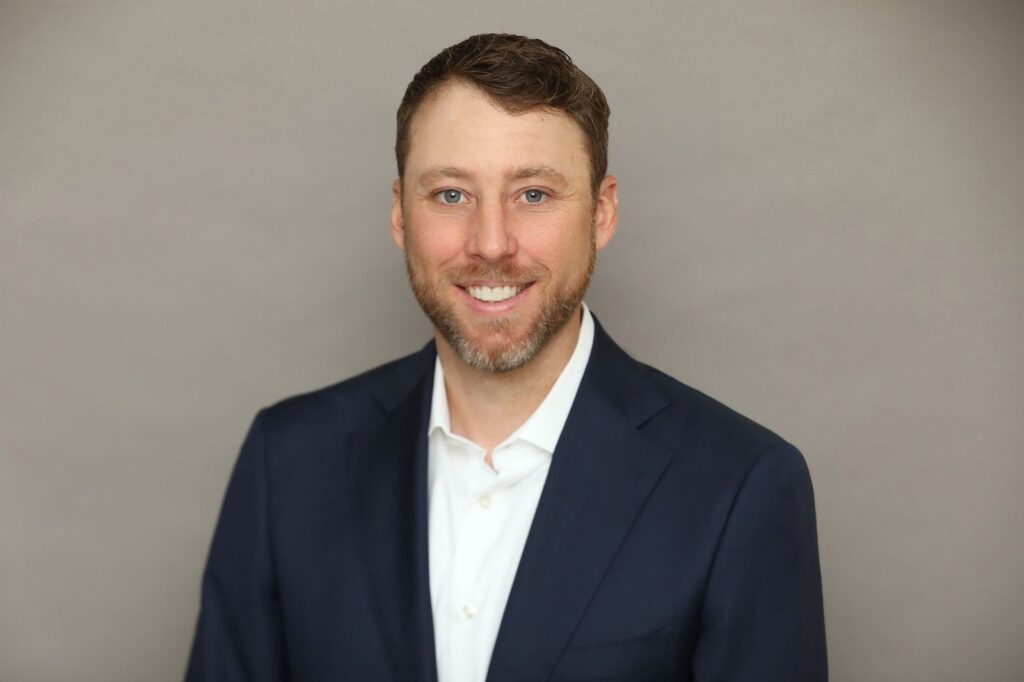
Steve Wylder, head of investments, oversees the expansion of the strategy. Safehold’s 99-year ground leases are designed to provide low-cost capital at a premium to the underlying land value, which the company says can increase proceeds for 4 percent LIHTC projects by 10 to 20 percent. Safehold has closed 172 ground leases for owner-operators, public companies and sovereign wealth funds.
Southern California has become one of the company’s most active affordable housing markets, with projects stretching from San Diego to Los Angeles and Ventura County, while also reaching into Texas, with an eye on growing across the Southeast, Mid-Atlantic and Midwest.
Commercial Observer spoke with Wylder in late September about why affordable housing capital stacks have become harder to complete, how Safehold’s ground leases fit alongside tax credits, debt and public subsidies, and how widely the model could spread.
This conversation has been edited for length and clarity.
Commercial Observer: Safehold has closed more than 25 ground leases on affordable housing developments in California, including 17 in Southern California. Why has it become such an important market for the platform?
Steve Wylder: We’re actively expanding our affordable housing platform throughout the U.S., and a big part of that focus is right here in Southern California.
We know there’s an acute need for affordable housing, and we’re really excited by the reaction from developers that are utilizing our structure, or ground lease capital, to help get some of these deals out of the ground.
You’ve described Safehold’s structure as a way to fill persistent gaps in affordable housing capital stacks. Where are those gaps, and how much additional financing can the ground lease create for a developer?
Safehold, in general, has helped fund a little over $7 billion of ground lease capital around the country. We’re in the top 30 metro areas across a range of asset types and situations, including acquisitions, recapitalizations and ground-up development.
The basic idea is that we come in as a third-party ground lessor with a 99-year lease term and, importantly, a very low cost of capital. We’re funding proceeds at a premium to the underlying land cost or land value, and at an implied cost of capital that’s well inside conventional debt.
The net impact on the capital structures for these 4 percent LIHTC transactions is that we’re typically able to help developers drive a 10 to 20 percent increase in permanent proceeds at a meaningfully lower blended cost of capital. It acts as a low-cost, noncompetitive, private gap-funding source, and we’re seeing very persistent gaps in these project pro formas.
What is creating those financing gaps?
There’s clearly a need for affordable housing, and we’re seeing developers work really hard to meet that demand. What’s creating a challenge is elevated rates and elevated costs that are putting pressure on developers’ ability to get these projects out of the ground. It’s definitely a market that requires creativity to bridge those gaps and ultimately get these deals built.
Have financing challenges changed over the past few years?
Our structure is relatively new to the industry, specifically the affordable housing industry. But we’re really encouraged by the feedback we’re receiving from developers on the need for this capital, and excited that we’ve closed nearly 30 transactions in less than three years.
We’re hopeful that you’ll see this become more widely adopted in Southern California and throughout the U.S. as a new tool to help produce much-needed housing.
Do you still encounter resistance from affordable housing developers, investors, lenders or municipalities when introducing the ground lease structure?
It’s a structure that does require some socialization, whether it’s with the bond issuer, municipality, lenders or tax-credit investor. But we’ve been really encouraged by the reception. We’re trying to be thoughtful about how and where we invest in support of the broader affordable housing industry, as well as how the structure evolves as we receive feedback from capital stack participants and municipalities.
It’s still relatively new in terms of broader adoption across the affordable sector, but we’re encouraged by the support and the repeat developer relationships we’ve established. It’s a capital structure that’s needed.
You’ve closed your first deals in Texas. Where else are you looking to expand, and does the structure need to change from market to market?
We’re excited about closing our first three LIHTC transactions this year in Texas. I think that’s going to be an important market for us, and we’re seeing a pickup in activity in other states beyond California.
We’re focused on the Southeast, Mid-Atlantic and parts of the Midwest, in addition to other states in the Southwest. Ultimately, I think there’s an application for this structure across a really broad range of geographies and states. Everybody seems to have a gap, right? That’s the problem we’re aiming to help solve.
Over the next two or three years, do you expect this model to become more broadly adopted across the affordable housing industry?
Absolutely. We think this can become more widely adopted across a broader range of developers, investors and lenders. It’s a tool that’s needed in this sort of market because it allows developers to meet the demand for housing that we’re all keenly aware of, and it also provides for a more efficient use of government resources, which are competitive and finite in nature.
As a firm, through our dedicated affordable housing platform, we’re making a big commitment to the overall affordable space and intend to continue investing a significant amount of capital going forward.
Is there any part you think the market still misunderstands or that is particularly important to emphasize?
It’s a highly financeable, highly saleable form of a 99-year lease, which ties into our track record of modernizing the ground lease concept in the market-rate world. We’re now applying that to the affordable space.
That’s an important point: There are fixed rent increases, no fair-market resets and no percentage-rent provisions. It’s intended to create a highly financeable, highly saleable leasehold interest for these groups.
Gregory Cornfield can be reached at gcornfield@commercialobserver.com.
Source: commercialobserver.com — article syndicated from the publisher’s feed; all rights remain with the original publisher.