
New York’s Luxury Real Estate Ghost Market Is Trying to Tell Us Something
A few weeks ago, I was working with a buyer from Los Angeles who was looking for a pied-à-terre in New York. His budget is around $12 million, he knows what he wants, and he has every intention of buying here.
But, right now, he’s waiting.
His thinking was pretty straightforward. With all the uncertainty around pied-à-terre taxes, interest rates and politics, and deals theoretically slowing, why buy a $12 million apartment today if there’s a chance the seller will take 15 or 20 percent less six months from now?
But, while some buyers are waiting for prices to come down, another part of New York’s luxury real estate market is booming, operating almost entirely out of sight. It’s a live story of the K-shaped economy that has been so widely covered.
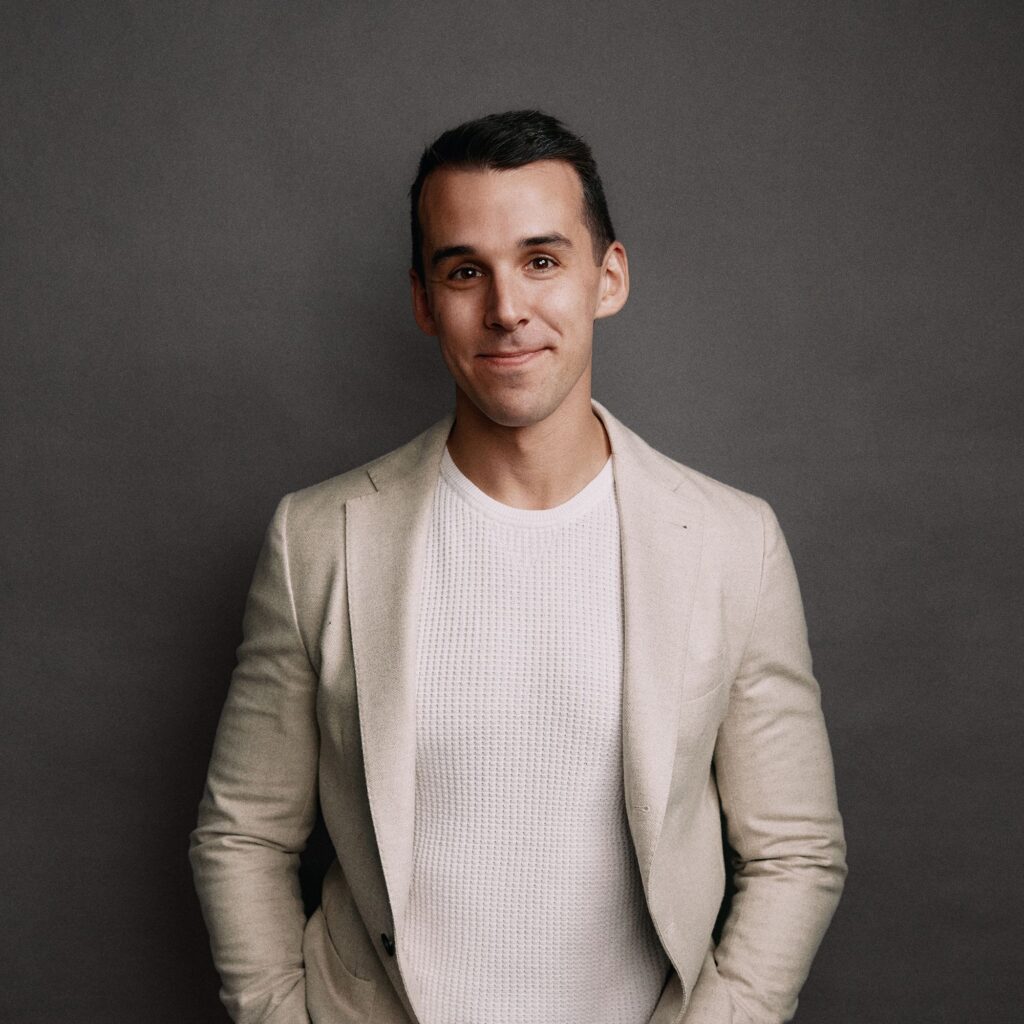
Ian Slater. PHOTO: Emilio Madrid
Some of the city’s most expensive properties are technically for sale, but you’d never know it. They’re not on StreetEasy or MLS. There are no listing photos or public asking prices. Frequently, only a handful of brokers and prospective buyers even know they’re available.
I call this New York’s ghost market — a part of the luxury market that exists outside the listings and statistics everyone follows — and it’s growing. We are seeing reports and data sets pointing that inventory is down 14 to 16 percent year-over-year, but, on the high end, there are more options than may be expected.
I estimate that roughly 10 percent of properties are being marketed quietly or held off market altogether. As you move higher in price, that number gets larger.
Privacy has always mattered at the top of the New York market, but I’m seeing more owners choose to explore a sale without formally listing their homes.
An owner of a $30 million or $40 million apartment may not want photos of their home online or people speculating about why they’re selling. New taxes may make them consider selling, but their net worth doesn’t make it so pressing — no need to widely advertise. They may simply tell their broker, “If you can get me this number, I’ll sell,” and leave it at that.
The broker calls a few people. An attorney may know another attorney. A wealth manager or talent manager may have a client who’s been looking. Maybe five or 10 buyers hear about the property.
Sometimes there’s a deal, sometimes there isn’t. From the outside, most have no idea any of it was happening.
And it works both ways. A buyer looking to spend $25 million on a townhouse might be actively searching through a handful of trusted brokers without ever touring significant on-market property.
That’s what makes this so interesting. A seller quietly testing a $40 million apartment doesn’t appear in the inventory numbers. A buyer ready to spend $25 million on the right townhouse doesn’t show up as demand.
We’re looking at the public market and trying to draw conclusions about a part of the market that is becoming increasingly private.
And, while not every quiet conversation turns into a transaction, these conversations tell us something important about how the highest end of New York real estate operates.
At this level, relationships and discretion often matter more than public exposure. The right buyer may already be out there. The right property may already be available. Neither necessarily needs to be advertised. That’s the ghost market.
New York’s luxury real estate market is bigger and more complicated than what we see in the monthly market reports.
New York is still the wealthiest city in the world. The money is still here, and plenty of it is still going into real estate. It’s just become a lot harder to see.
Ian Slater is a real estate advisor and broker at Compass.
Source: commercialobserver.com — article syndicated from the publisher’s feed; all rights remain with the original publisher.