
Trump Administration Designates 210 Qualified Opportunity Zones in NYC
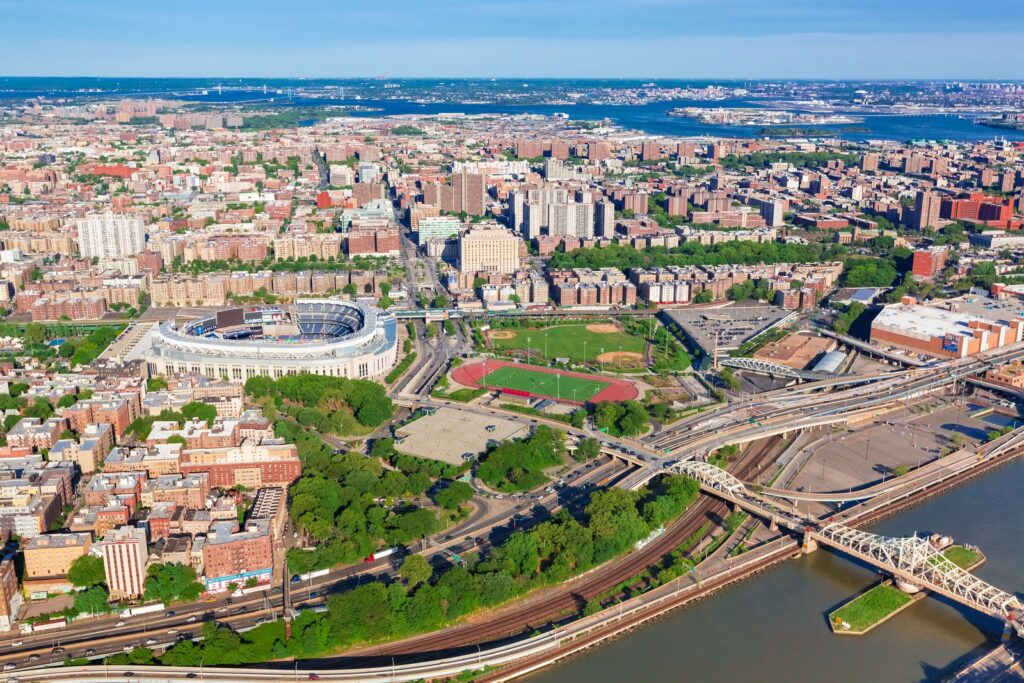
President Donald Trump’s administration designated 6,500 Qualified Opportunity Zones (QOZ) throughout the U.S., with 210 in New York City alone.
While the renewal of the Opportunity Zone program has 2,200 fewer QOZs than its original 2016 designations, up to 60 percent of the zones in the city are in Brooklyn and the Bronx, according to the U.S. Department of the Treasury and the Internal Revenue Service (IRS).
The renewal of the program offering tax benefits to developers working to revitalize underinvested communities comes days after Tuesday’s midterm elections, which marked a setback for the Republican Party that could define the nation’s political dynamics for the next few election cycles.
“Under President Trump’s leadership, the Working Families Tax Cuts permanently renewed and strengthened Opportunity Zones, giving investors, entrepreneurs, and local leaders the long-term certainty they need to commit capital to communities that have been overlooked for too long,” Treasury Secretary Scott Bessent said in a statement. “Today’s announcement of the new designations will help direct private investment to these communities, expand economic opportunity, support job creation, and unlock long-term growth in these communities across the country.”
Opportunity Zones are defined geographic areas in which developers can receive tax breaks for undertaking needed development, particularly housing. But tax incentives alone are not enough to get development on the right course to address the national housing shortage, according to Adam Sanders, a real estate attorney at Rosenberg & Estis.
“New York has 430 designated zones, with nearly half in New York City. Brooklyn and the Bronx account for most of the city’s designations, so there’s clearly potential for investment in those areas,” Sanders said in a statement. “But a tax incentive alone doesn’t make a project viable. Developers still have to look at construction costs, financing and whether a deal makes economic sense. What these designations can do is give some projects an advantage that might help get them off the ground.”
A full list and map of the Opportunity Zones were provided by the federal government and will be made effective Jan. 1, 2027.
Mark Hallum can be reached at mhallum@commercialobserver.com.
Source: commercialobserver.com — article syndicated from the publisher’s feed; all rights remain with the original publisher.